







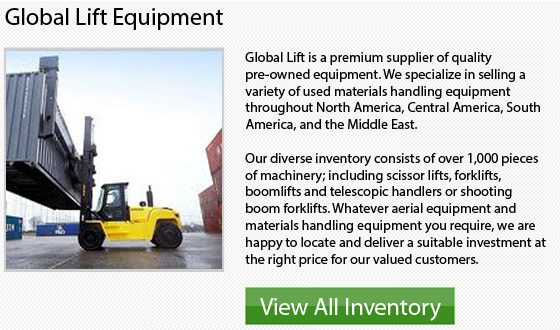
Types of Warehouse Forklifts
The type of multi-purpose equipment which could be utilized both outdoors and indoors are forklifts. They could function on rough terrain and are a common piece of industrial equipment found in warehouses or on construction sites. Any warehouse forklift normally just needs to be used on flat surfaces for the majority of their work scopes.
There are different classes of forklifts. Lower classes of forklifts are utilized in warehouses and higher classes are used more frequently in outdoor operation and are considered to be sturdier.
Classes of Forklifts
Of the 7 classes of forklifts, there are 4 kinds of warehouse forklifts. The classes 5 to 7 normally describe forklifts which are used to tow heavy loads or operate outside on rough surfaces. Classes 1 to 3 are ideal for indoor application since they use electric propulsion. Class 4 forklifts rely on internal combustion engine. These kinds of forklifts could be utilized indoors but due to the fumes they create, are suitable for open air warehouse applications. You will seldom find these models in strictly indoor environments.
Class One Forklifts
Forklifts which belong to Class 1 could be divided into four subcategories or lift codes. The lift codes are described as one, four, five and six. The forklift operator stands up in a lift code 1 forklift. In lift codes 4 through 6, the forklift operator sits down. In order to differentiate between the latter three, lift code 4 forklifts have 3 wheels, while lift code 5 forklifts use cushion tires. Lift code 6 forklifts utilize pneumatic tires.
A term utilized for Class 2 forklifts is narrow aisle forklifts. These kinds of forklifts are operated by a standing rider and used in tight spaces. They are great for spaces that are too small for a sit-down rider forklift. Electric hand trucks or class 3 forklifts can also fit into tighter spaces. The operator for class 3 either stands or walks behind the device, depending on the particular model. Lift models could lift loads and pallets several feet off of the ground.
Electrical Forklifts
Instead of utilizing IC or internal combustion engine forklifts, electric forklifts are usually used inside warehouses. There are advantages and disadvantages to using electrical models. To start with, they could last longer and are environmentally friendly. They cost less to operate and cut down greatly on noise pollution. On the downside, they are more expensive up front, do not operate well outdoors in bad weather and most models need charging every 6 hours. For obvious reasons, electrical-powered forklifts are a great alternative for indoor areas and warehouses most of the time.