


Scissor Lifts
Scissor Lifts are only capable of lifting on a vertical plane and are specifically made for those projects directly overhead. Scissor Lifts are designed with a series of crisscrossing linked supports. The pressure has to be applied to the outside of the lowest set of supports in order for the unit to rise up into the air. This process extends the crossing pattern which propels the unit vertically. If the machinery is hydraulically or pneumatically powered, lowering of the platform can be done by easily opening a valve to be able to release the pressure.
There are various scissor lift models. They could differ from indoor models to those models specially made for rough terrain that are better suited for various construction applications. The rough terrain types are specifically equipped with more reliable and stronger tires which operate by gas or diesel engines.
4 Mechanical Lifts
Usually, mechanical lifts are smaller models that utilize screw threads or rack-and-pinion symptoms to lift the platform. The mechanical lifts are limited in the heights they can extend to and the amount of weight they can carry. Mostly, these kinds of lifts are used for maintenance jobs like for example changing light bulbs and indoor tasks.
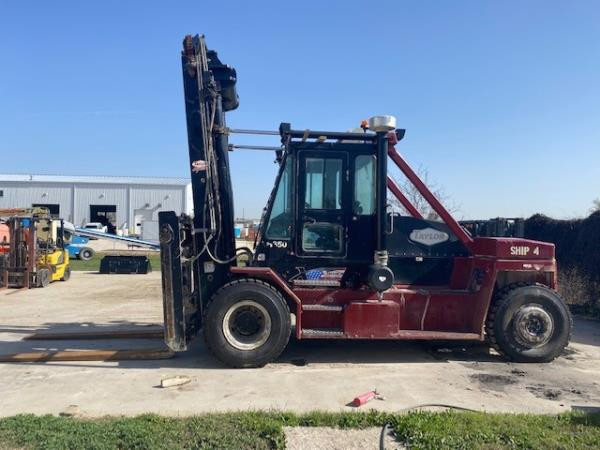
The first scissor lift was build in the 1970s. The basic design is still utilized, even if lots of improvements have been made in the materials utilized and safety features added. This machinery became the perfect option for numerous indoor retail establishments that were beginning to expand their inventory. The scissor lift is similar to the forklift. The scissor lift has become sought after and well-known for its effectiveness as well as its portability. In addition, the scissor lift provides the only industrial platforms which could be retracted and can fit into the corner of the building.