


Forklift Tire Specs
Ever since 1917, important tools used within industry and commercial businesses are forklifts. During its history the forklift has changed through different forms, from a basic tractor with a platform attachment to a particular high-tech equipment. Forklift tires have also changed into specialized tires, with various kinds designed to meet particular functions.
Cushion (Solid) Tires
Rubber or solid polyurethane are the kinds of materials used to make cushion tires. They are best for indoor work on surfaces that are smooth. The tread of a cushion tire is pressed or binded onto the tire's steel ring. Cushion tires are rated for various load capacities and for ease of steering. Cushion tires are usually utilized within warehouse settings.
Pneumatic Tires
Pneumatic forklift tires are filled with foam or air. They are available in two kinds: bias or radial. Depending on the use, they come with various sidewall protection, tread depths and weight. Foam-filled pneumatic forklift tires maintain constant pressures and are less susceptible to punctures. Pneumatic tires are commonly used outdoors on surfaces that are rough and uneven.
Pneumatic Shaped Solid/Solid Pneumatic
The comfortable ride which pneumatic tires provide along with the puncture resistance that solid tires provide are the combined features of Solid Pneumatic Hybrid Tires. They are a good alternative to the outdoor pneumatic tire.
Large Rubber and Flotation Tires
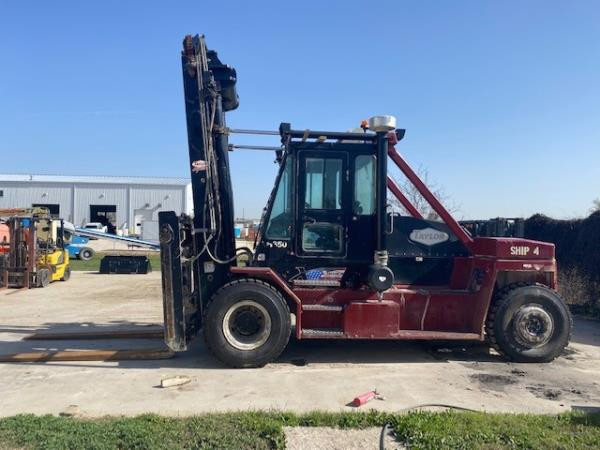
Big rubber tires, which could be pneumatic, foam or solid, are used on wheel loader forklifts. These types of tires are suitable for transporting and loading bulk things into processing machines or onto trucks. Large flotation pneumatic tires are suited for masted rough terrain forklifts normally utilized at lumberyards, construction sites and automobile recyclers.